

Commentary
Rym Momtaz, ed.
{
  "authors": [
    "Rym Momtaz"
  ],
  "type": "commentary",
  "blog": "Strategic Europe",
  "centerAffiliationAll": "",
  "centers": [
    "Carnegie Endowment for International Peace",
    "Carnegie Europe"
  ],
  "englishNewsletterAll": "",
  "nonEnglishNewsletterAll": "",
  "primaryCenter": "Carnegie Europe",
  "programAffiliation": "",
  "regions": [
    "Europe",
    "United States",
    "Ukraine"
  ],
  "topics": [
    "EU",
    "Foreign Policy",
    "NATO"
  ]
}
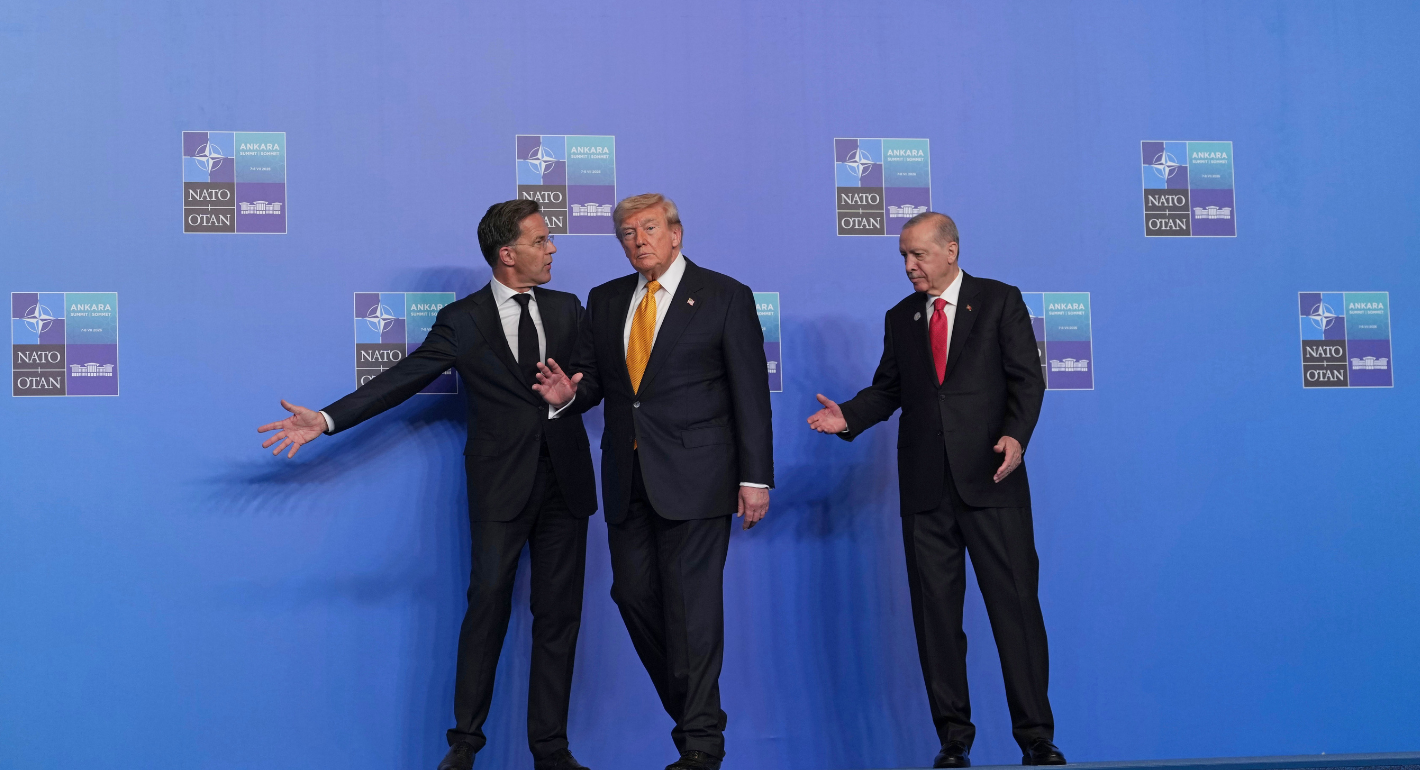
Source: Getty
Nearly a year and a half after Europeans leaned into sucking up to Trump, the strategy has produced some benefits when it comes to Ukraine.
As it turns out, sometimes slow, steady, and subservient isn’t the worst policy. Especially with razor-thin margins of maneuver.
When top European leaders started implementing a coordinated strategy predicated on obsequious deference to U.S. President Donald Trump, the odds of it producing anything beyond embarrassment and disappointment were slim.
He had just subjected Ukrainian President Volodymyr Zelensky to a brutal public berating session broadcast live around the world, which was sure to delight Russian President Vladimir Putin. The president and his administration did not trust Zelensky and thought the Europeans were unworthy allies. At least some in Washington also felt that improving the U.S.-Russian relationship served American interests better than supporting Ukraine and Europe in countering Moscow’s aggressions.
But fifteen months after that tense meeting, and eleven months after the leaders of France, Germany, Italy, the UK, the European Commission, and NATO accompanied Zelensky to a second White House meeting, what is certain is that the situation today could have been much worse. And that is partly thanks to the genuflection the old continent’s leaders engaged in.
Europeans set themselves two admittedly unambitious goals: Keep Ukraine going instead of winning decisively, and keep the United States minimally engaged instead of showing it, through a power dynamic, why Europe serves its interests.
As limited as that ambition undoubtedly is, it has saved Ukrainian lives and kept the transatlantic alliance limping on. Though it is the most honest recognition of Europe’s strategic vulnerabilities and that Washington would no longer act decisively to counter Russia in Europe, it has the underrated benefit of being realistic and commensurate with concrete European means in an era of vacuous grandstanding.
Ukraine is the rare foreign policy issue where the Europeans have managed to maintain their unity. They did so while having creatively used their preexisting EU tools, like the European Peace Facility, and innovated new ones like the €90 billion ($103 billion) Ukraine support loan, agreed at the December 2025 European Council summit, and NATO’s Prioritized Ukraine Requirement List (PURL). But with their dependence on the United States still running so deep, none of it would have been enough without a modicum of U.S. engagement. And that is what they achieved.
Having left the 2025 G7 summit a day early in part to avoid Zelensky, Trump appears to have softened his view, and the two leaders had what seems by most accounts to have been a good meeting at the 2026 NATO summit in Ankara. Most tellingly, Washington and Kyiv are working on licensing production agreements for drones and Patriot missiles. And the terms of the 2025 Anchorage summit between Trump and Putin have not become the basis of diplomatic tracks.
Undoubtedly, this strategy has benefitted from Putin’s overconfidence, badly playing his hand with Trump. It was also buoyed by the Ukrainians outperforming most expectations on the battlefield.
And perhaps what sets this period in the transatlantic alliance apart is that the Europeans have allied their sycophancy with concrete measures.
By the last year of Joe Biden’s U.S. presidency, more than half of military and nonmilitary aid to Ukraine was being provided by the Europeans. After the Trump administration let the Biden-era congressionally-funded aid to Ukraine run out and didn’t seek to renew it, the Europeans stepped up with their checkbooks and contained as much of the shortfall on the Ukrainian battlefield as possible.
In 2025, Europeans increased their military aid to Ukraine by 67 percent and their financial and humanitarian aid by 59 percent, allocating €73 billion ($85 billion) to Ukraine.
By May, they had sunk €4.8 billion ($5.5 billion) into the U.S. arms industry through PURL, part of a tacit quid pro quo to maintain Kyiv’s access to American weapons. As they continue to fund PURL, prioritizing the immediate threat, they are fragmenting the funds badly needed to turbocharge Europe’s military industry as America’s has become stretched by its other priorities. The cost of this Ukraine policy has also hamstrung Europeans’ already weakened ability to weigh in other strategic theaters in the near abroad, namely in Africa and the Middle East. But without these hard choices, Ukraine would have been much worse off, and with it the continent’s most immediate security.
The paradox Europeans now face is that they have proven to both their Russian and—to a lesser extent—Chinese adversaries that they are more united and solid than expected, even in the face of an unfavorable U.S. administration. And while they have willingly played into Trump’s transactionalism, some of them are diversifying away from the U.S. on some long-term strategic projects like cloud computing. But what Europeans are still falling short on is in showing friend and foe that they have enough muscle to be singularly decisive in a theater as strategic and vital as Ukraine.
Whether the Europeans ever manage to become strategic shapers hinges on their ability to use this time they have bought through their Trump strategy to cement a common outlook. As long as there isn’t an overhaul of collective strategic culture, the flurry of coalitions they have recently announced—on Ukraine, on the Strait of Hormuz, and on ballistic missile defense—will remain talking shops.
For that, they need to agree on the definition and prioritization of their threats, and commit to earmarking the appropriate funds, over multiple budget cycles, to carry out the required industrial overhaul. That process cannot be done without also defining the extent to which, and the manner through which, they need to lessen their dependence on the United States.
In addition to the persistent divergences in strategic culture among Europeans, major potential political upheavals on the horizon in France, Germany, and the UK will make that goal even harder. And the unprecedented and unbridled public abuse allies are likely to continue getting from the U.S. president will continue to fragment their scarce strategic bandwidth, much to the delight of their adversaries.
Subscribe to Strategic Europe, delivered every Tuesday and Thursday!

Editor in Chief, Strategic Europe
Rym Momtaz is the editor in chief of Carnegie Europe’s blog Strategic Europe. A multiple Emmy award-winning journalist-turned-analyst, she specializes in Europe and the Middle East and the interplay between those two spaces.
Recent Work
Rym Momtaz, ed.
Rym Momtaz
Carnegie does not take institutional positions on public policy issues; the views represented herein are those of the author(s) and do not necessarily reflect the views of Carnegie, its staff, or its trustees.
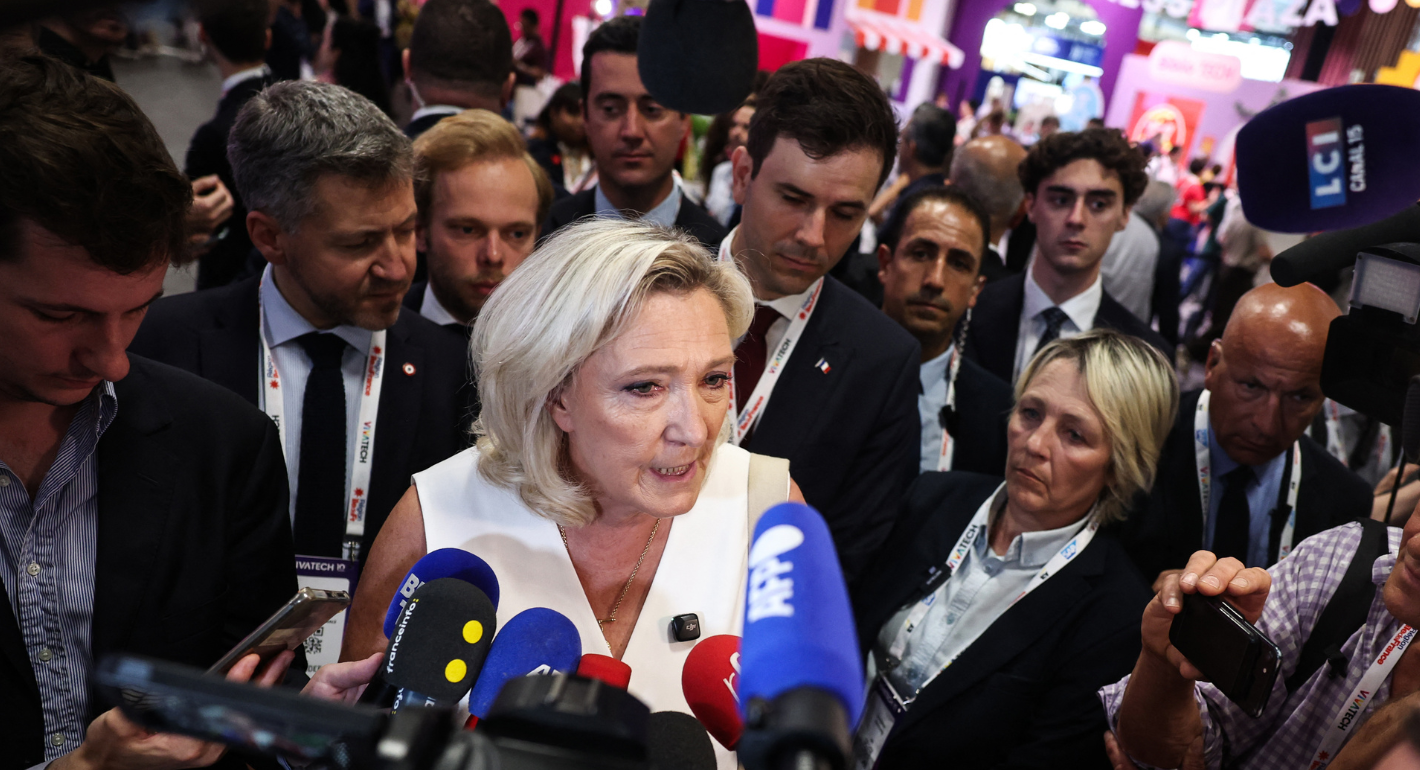
Far-right leader Marine Le Pen can—and will—run in France’s next presidential election. What does the outcome of her appeal against a 2025 embezzlement conviction mean for the country’s political future?

Catherine Fieschi
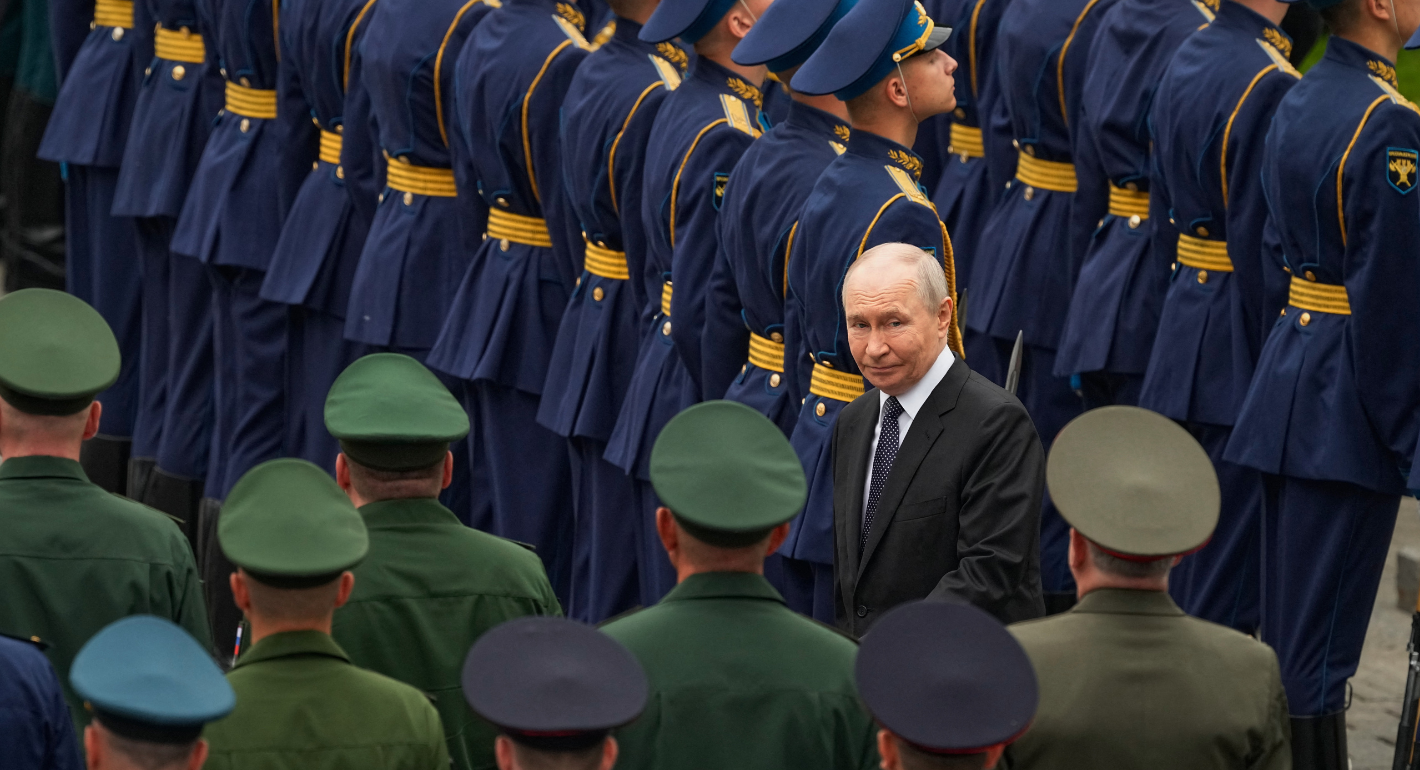
While Russia is not ready to sue for peace on Europe’s terms, it could still either seek a ceasefire in Ukraine or try escalation. Brussels needs to prepare for both and prioritize that preparation over normative discussions.
Kadri Liik
When Giorgia Meloni very publicly rebuked Donald Trump’s disparaging remarks about her, it surprised many who saw her as a European extension of Trumpism. Is the spat a sign of trouble in the radical right’s transatlantic axis?
Rym Momtaz, ed.

Western Europe’s dual-use infrastructure melted down during its latest heat wave. If a predicted hot weather event can take the continent by surprise, what chance does it have to withstand unexpected geopolitical crises?
Rym Momtaz
There is an elephant in the room when it comes to the EU’s upcoming security strategy: Donald Trump. Unless European leaders acknowledge the depth of the transatlantic crisis, true autonomy will remain out of reach.

Stefan Lehne